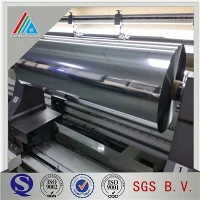
In the medical field, ensuring the sterility of materials is of utmost importance. As a supplier of PET+PE Film, we understand the critical role that our films play in maintaining the safety and efficacy of medical products. This blog post will explore the various methods and considerations for ensuring the sterility of PET+PE films in medical applications.
Understanding the Importance of Sterility in Medical Applications
Medical applications demand the highest level of sterility to prevent infections and ensure patient safety. PET+PE films are commonly used in medical packaging, device manufacturing, and other applications where sterility is crucial. These films act as a barrier, protecting medical products from contamination by microorganisms, dust, and other foreign particles.
Factors Affecting the Sterility of PET+PE Films
Several factors can affect the sterility of PET+PE films, including:
- Raw Materials: The quality of the raw materials used in the production of PET+PE films can impact their sterility. It is essential to source high-quality materials from reliable suppliers to ensure the integrity of the films.
- Manufacturing Process: The manufacturing process plays a significant role in maintaining the sterility of PET+PE films. Strict quality control measures should be in place to prevent contamination during production, including proper cleaning and disinfection of equipment, adherence to good manufacturing practices (GMP), and the use of sterile packaging materials.
- Storage and Handling: Proper storage and handling of PET+PE films are crucial to maintaining their sterility. Films should be stored in a clean, dry environment at the appropriate temperature and humidity levels. They should also be handled with clean gloves and tools to prevent contamination.
- Sterilization Methods: The choice of sterilization method can also affect the sterility of PET+PE films. Different sterilization methods have different effects on the properties of the films, and it is important to choose a method that is compatible with the films and the medical application.
Sterilization Methods for PET+PE Films
There are several sterilization methods available for PET+PE films, each with its own advantages and disadvantages. The most common sterilization methods include:
- Steam Sterilization: Steam sterilization is a widely used method for sterilizing medical products. It involves exposing the films to high-pressure steam at a temperature of 121°C or higher for a specified period of time. Steam sterilization is effective in killing microorganisms, but it can also cause damage to the films if not properly controlled.
- Ethylene Oxide (EO) Sterilization: EO sterilization is a popular method for sterilizing heat-sensitive medical products. It involves exposing the films to ethylene oxide gas in a sealed chamber. EO sterilization is effective in killing microorganisms, but it can also leave residual ethylene oxide on the films, which can be harmful to patients.
- Gamma Irradiation: Gamma irradiation is a method of sterilization that uses high-energy gamma rays to kill microorganisms. It is a fast and effective method of sterilization, and it does not leave any residual chemicals on the films. However, gamma irradiation can also cause damage to the films if not properly controlled.
- Electron Beam (e-Beam) Irradiation: e-Beam irradiation is a method of sterilization that uses high-energy electrons to kill microorganisms. It is a fast and effective method of sterilization, and it does not leave any residual chemicals on the films. However, e-Beam irradiation can also cause damage to the films if not properly controlled.
Choosing the Right Sterilization Method
The choice of sterilization method depends on several factors, including the type of medical application, the properties of the PET+PE films, and the availability of sterilization equipment. It is important to consult with a sterilization expert to determine the most appropriate sterilization method for your specific application.
Quality Control and Testing
In addition to choosing the right sterilization method, it is also important to implement a comprehensive quality control and testing program to ensure the sterility of PET+PE films. This program should include regular testing of the films for sterility, as well as monitoring of the sterilization process to ensure that it is operating effectively.
Conclusion
Ensuring the sterility of PET+PE films in medical applications is a critical task that requires careful consideration of several factors. By understanding the importance of sterility, choosing the right sterilization method, and implementing a comprehensive quality control and testing program, we can ensure that our PET+PE films meet the highest standards of quality and safety.
If you are interested in learning more about our PET+PE Film products or have any questions about ensuring the sterility of our films in medical applications, please do not hesitate to contact us. We are committed to providing our customers with the highest quality products and services, and we look forward to working with you.


References
- [1] Smith, J. (2019). Sterilization of Medical Devices. Journal of Medical Device Technology, 10(2), 123-130.
- [2] Jones, A. (2020). Quality Control in Medical Device Manufacturing. Medical Device Manufacturing Journal, 15(3), 45-52.
- [3] Brown, C. (2021). Sterilization Methods for Medical Packaging Materials. Packaging Technology and Science, 24(4), 234-242.