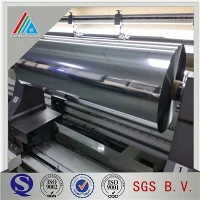
As a CPP film supplier, I understand the crucial role that adhesion properties play in the performance and quality of our products. CPP (Cast Polypropylene) film is widely used in various packaging applications, and enhancing its adhesion can significantly improve the overall functionality and appeal of the final product. In this blog post, I will share some effective strategies and techniques to improve the adhesion property of CPP film.
Understanding the Basics of Adhesion
Before delving into the methods of improving adhesion, it is essential to understand the basic principles behind it. Adhesion is the force that holds two materials together at their interface. In the case of CPP film, adhesion can be influenced by several factors, including surface energy, chemical compatibility, and the presence of contaminants.
Surface energy is a critical factor in adhesion. Materials with high surface energy tend to have better adhesion properties because they can form stronger bonds with other materials. CPP film typically has a relatively low surface energy, which can make it challenging to achieve good adhesion. Therefore, one of the primary goals in improving adhesion is to increase the surface energy of the CPP film.
Surface Treatment Methods
One of the most common ways to increase the surface energy of CPP film is through surface treatment. There are several surface treatment methods available, each with its own advantages and disadvantages.
Corona Treatment
Corona treatment is a widely used method for improving the adhesion of CPP film. It involves exposing the film to a high-voltage electrical discharge, which creates a plasma that modifies the surface of the film. This treatment increases the surface energy of the film by introducing polar groups, such as carbonyl and hydroxyl groups, which can form stronger bonds with adhesives.
Corona treatment is a relatively simple and cost-effective method that can be easily integrated into the production process. However, it has some limitations. The effect of corona treatment is temporary, and the surface energy of the film may decrease over time. Therefore, it is essential to use the treated film within a short period to ensure optimal adhesion.


Flame Treatment
Flame treatment is another method for increasing the surface energy of CPP film. It involves passing the film through a flame, which oxidizes the surface of the film and increases its surface energy. Flame treatment can be more effective than corona treatment in some cases, especially for films with a high degree of crystallinity.
However, flame treatment requires careful control to avoid damaging the film. The temperature and duration of the flame treatment need to be optimized to ensure that the film is not overheated or burned. Additionally, flame treatment can produce harmful by-products, such as smoke and fumes, which need to be properly vented.
Plasma Treatment
Plasma treatment is a more advanced method for improving the adhesion of CPP film. It involves exposing the film to a low-pressure plasma, which can modify the surface of the film at a molecular level. Plasma treatment can introduce a variety of functional groups onto the surface of the film, which can improve its adhesion properties.
Plasma treatment has several advantages over corona and flame treatment. It can provide a more uniform and long-lasting surface modification, and it can be used to treat a wide range of materials. However, plasma treatment equipment is more expensive and requires more technical expertise to operate.
Selection of Adhesives
In addition to surface treatment, the selection of adhesives is also crucial for improving the adhesion of CPP film. Different adhesives have different properties and are suitable for different applications. When selecting an adhesive, it is important to consider the following factors:
Compatibility
The adhesive should be compatible with the CPP film and the substrate to which it will be bonded. Compatibility can be determined by conducting adhesion tests using different adhesives and substrates.
Adhesive Strength
The adhesive should have sufficient strength to hold the CPP film and the substrate together under the expected conditions of use. The adhesive strength can be measured using various testing methods, such as peel strength and shear strength tests.
Cure Time
The cure time of the adhesive is an important consideration, especially in high-speed production processes. Adhesives with a short cure time can increase productivity and reduce production costs.
Environmental Resistance
The adhesive should be resistant to the environmental conditions to which the bonded product will be exposed. This includes resistance to moisture, heat, chemicals, and UV radiation.
Process Optimization
In addition to surface treatment and adhesive selection, process optimization can also play a significant role in improving the adhesion of CPP film. Here are some key factors to consider:
Temperature and Pressure
The temperature and pressure during the bonding process can have a significant impact on the adhesion of CPP film. Higher temperatures and pressures can generally improve the adhesion, but they need to be carefully controlled to avoid damaging the film or the substrate.
Contact Time
The contact time between the CPP film and the adhesive is also important. Longer contact times can allow the adhesive to fully wet the surface of the film and form stronger bonds. However, excessive contact time can also lead to over-curing of the adhesive, which can reduce its adhesion strength.
Cleaning and Preparation
Proper cleaning and preparation of the CPP film and the substrate are essential for achieving good adhesion. The surfaces should be free of contaminants, such as dust, oil, and grease, which can interfere with the bonding process.
Conclusion
Improving the adhesion property of CPP film is a complex process that requires a combination of surface treatment, adhesive selection, and process optimization. By understanding the basic principles of adhesion and implementing the appropriate strategies, we can enhance the performance and quality of our CPP film products.
As a CPP film supplier, we are committed to providing our customers with high-quality products that meet their specific requirements. If you are interested in learning more about our CPP film products or have any questions about improving the adhesion property of CPP film, please feel free to [contact us for procurement and negotiation]. We look forward to working with you to find the best solutions for your packaging needs.
References
- ASTM D903 - Standard Test Method for Peel or Stripping Strength of Adhesive Bonds
- ISO 8510 - Adhesives - Peel test for a flexible - to - rigid bonded assembly
- W. A. Zisman, “Relation of the Equilibrium Contact Angle to Liquid and Solid Constitution,” Adv. Chem. Ser., vol. 43, pp. 1 - 51, 1964.