


BOPP metalized film is a versatile and widely used material in various industries, known for its excellent physical and chemical properties. One of the key properties that often comes under discussion is its electrical conductivity. As a supplier of BOPP metalized film, I am here to delve into the details of its electrical conductivity, its influencing factors, and its applications in different fields.
Understanding the Basics of BOPP Metalized Film
Before we explore its electrical conductivity, let's briefly understand what BOPP metalized film is. Biaxially Oriented Polypropylene (BOPP) film is a type of plastic film that is stretched in both the machine and transverse directions, which enhances its mechanical strength, transparency, and barrier properties. Metalized BOPP film is created by depositing a thin layer of metal, typically aluminum, onto the surface of the BOPP film through a process called vacuum metallization. This process not only adds an attractive metallic appearance to the film but also significantly improves its barrier properties against oxygen, moisture, and light.
Electrical Conductivity of BOPP Metalized Film
The electrical conductivity of BOPP metalized film is mainly determined by the metal layer deposited on its surface. Aluminum, the most commonly used metal for metallization, is an excellent conductor of electricity. However, the electrical conductivity of the metalized film is not as high as that of a solid piece of aluminum due to the thinness of the metal layer and the presence of the non - conductive BOPP substrate.
The electrical conductivity of the metal layer depends on several factors. Firstly, the thickness of the metal layer plays a crucial role. A thicker metal layer will generally result in higher electrical conductivity. During the vacuum metallization process, the thickness of the aluminum layer can be controlled within a certain range. An increase in the thickness of the aluminum layer means more free electrons are available to carry an electric current, thus enhancing the conductivity.
Secondly, the quality of the metallization process also affects the electrical conductivity. A uniform and continuous metal layer will provide better conductivity compared to a layer with defects or discontinuities. Imperfections such as pinholes or uneven metal deposition can disrupt the flow of electric current and reduce the overall conductivity of the film.
Measuring the Electrical Conductivity of BOPP Metalized Film
The electrical conductivity of BOPP metalized film can be measured using various techniques. One common method is the four - point probe technique. In this method, four probes are placed in contact with the metalized surface of the film. A known current is passed through the outer two probes, and the voltage is measured across the inner two probes. Using Ohm's law (V = IR), the resistance of the film can be calculated, and from the resistance, the conductivity can be determined.
Another method is the two - point probe technique, which is simpler but less accurate than the four - point probe method. In the two - point probe method, only two probes are used to apply a voltage and measure the current. However, this method includes the contact resistance between the probes and the film, which can introduce errors in the conductivity measurement.
Applications Based on Electrical Conductivity
The electrical conductivity of BOPP metalized film has led to its use in several applications.
- Electromagnetic Shielding: In the electronics industry, electromagnetic interference (EMI) can cause malfunctions in electronic devices. BOPP metalized film can be used as an electromagnetic shield. The conductive metal layer on the film can absorb and reflect electromagnetic waves, protecting sensitive electronic components from EMI. For example, it can be used in the packaging of electronic devices or as an internal shield within the device itself.
- Sensor Applications: The change in the electrical conductivity of BOPP metalized film can be used to detect physical or chemical changes in the environment. For instance, if the film is exposed to certain substances that can react with the metal layer, the conductivity may change. This property can be utilized in the development of sensors for detecting gases, humidity, or other analytes.
Comparing with Other Film Types
When comparing BOPP metalized film with other types of films such as OPP Film and CPP Film, the electrical conductivity is a distinguishing factor. Non - metalized OPP and CPP films are generally insulators, with very low electrical conductivity. However, when they are metalized, their conductivity can be improved. BOPP metalized film usually has better mechanical properties and a more uniform metal layer compared to metalized CPP film, which can result in more consistent electrical conductivity.
Conclusion and Call to Action
In conclusion, the electrical conductivity of BOPP metalized film is an important property that depends on the thickness and quality of the metal layer. It has a wide range of applications in the electronics and sensor industries, among others. As a leading supplier of Bopp Metalized Film, we are committed to providing high - quality products with consistent electrical conductivity. Our state - of - the - art manufacturing processes ensure a uniform and continuous metal layer, resulting in optimal performance.
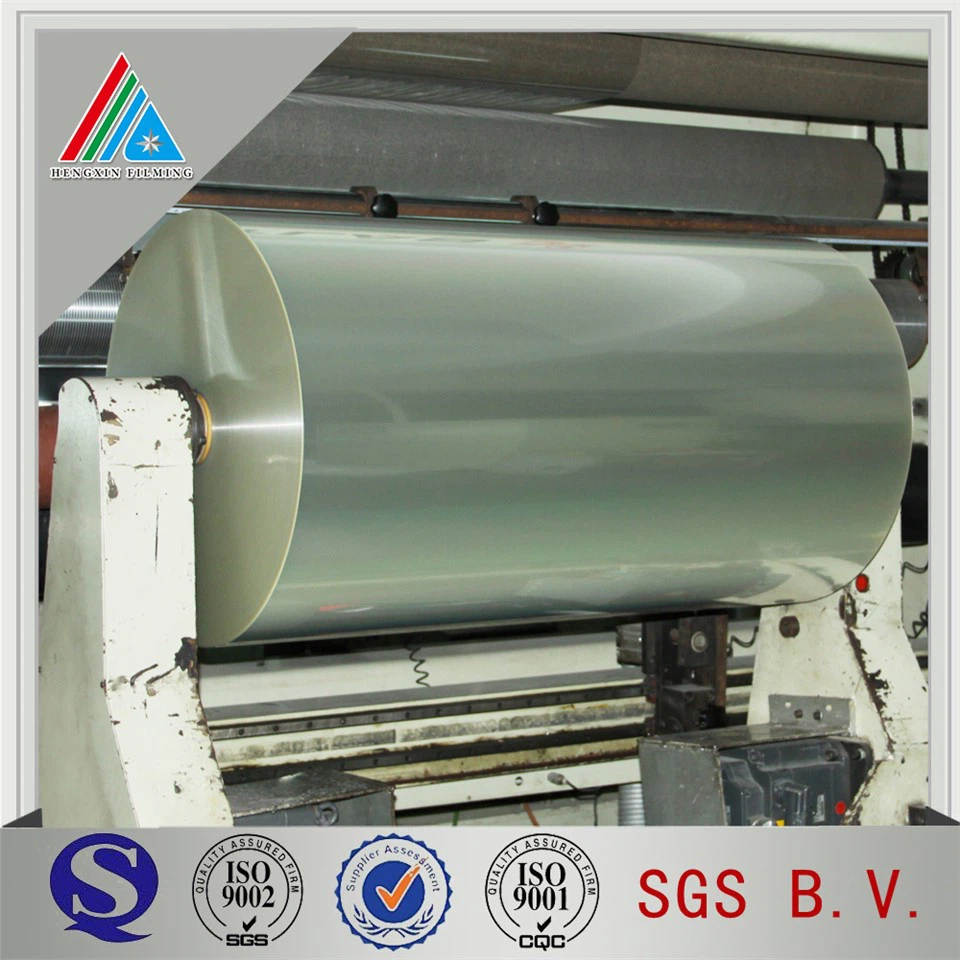

If you are in need of BOPP metalized film for your specific application, whether it's for electromagnetic shielding or sensor development, we invite you to contact us for a detailed discussion. Our team of experts is ready to assist you in choosing the right product to meet your requirements. We look forward to partnering with you to achieve your project goals with our high - quality BOPP metalized film.
References
- Smith, J. (2018). Handbook of Polypropylene Films. CRC Press.
- Wang, L. (2020). Advances in Metallized Polymer Films. Elsevier.
- Davis, R. (2019). Electrical Properties of Polymer - Metal Composites. John Wiley & Sons.


