


Hangzhou Hengxin Filming Packaging Co., Ltd. is one of the most reliable manufacturers and suppliers of opp film in China, also supports customized service. Welcome to wholesale bulk opp film at low price from our factory. Contact us for quotation.
Why Choose Us?
Quality Guaranteed
The company strives for the market with quality and has advanced technicians in the field of deep cultivation. Through skill improvement and achievement transformation, the company continuously provides high value-added products to customers to meet their special needs.
Quality Products
The company mainly produces PET, CPP, OPP, PA, PE, PVC, chemical pretreatment film and non-woven aluminized products, as well as color coating film, shower film, rainbow film, laser film, PVDC coating film, twist film, plastic flexible packaging composite film.
Wide Range of Applications
Our products are widely used in medicine, food, building materials, electronic components composite packaging and gold and silver wire, Pearl pieces, onion powder, decoration, Christmas gifts and other industries.
Complete Qualifications
It invests a large amount of money in new product development and technological upgrading every year to meet the needs of customers in various directions, and realizes core technologies such as a number of patents for technological inventions and practical new patents.
OPP film is a type of polypropylene film. Since the production process is multi-layer extrusion, it is called co-extruded oriented polypropylene film (OPP). OPP film is a thermoplastic polymer with a wide range of applications, from wrappings to carpets. OPP film is food safe and environmentally friendly, which makes it a perfect choice for food packaging. The OPP film is often used for wrapping confectionery or ready-made products, but it is also ideal for spices, vegetables, and bakery goods. Due to their unique properties, OPP films can also be safely used as packaging for hygiene, cosmetic and medical products.

CPP film is cast polypropylene that is manufactured by an extrusion process of a molten polypropylene web through a slot die onto a revolving cast chill roll. This roller may be mirror finished for smooth films or surface textured for embossed films.
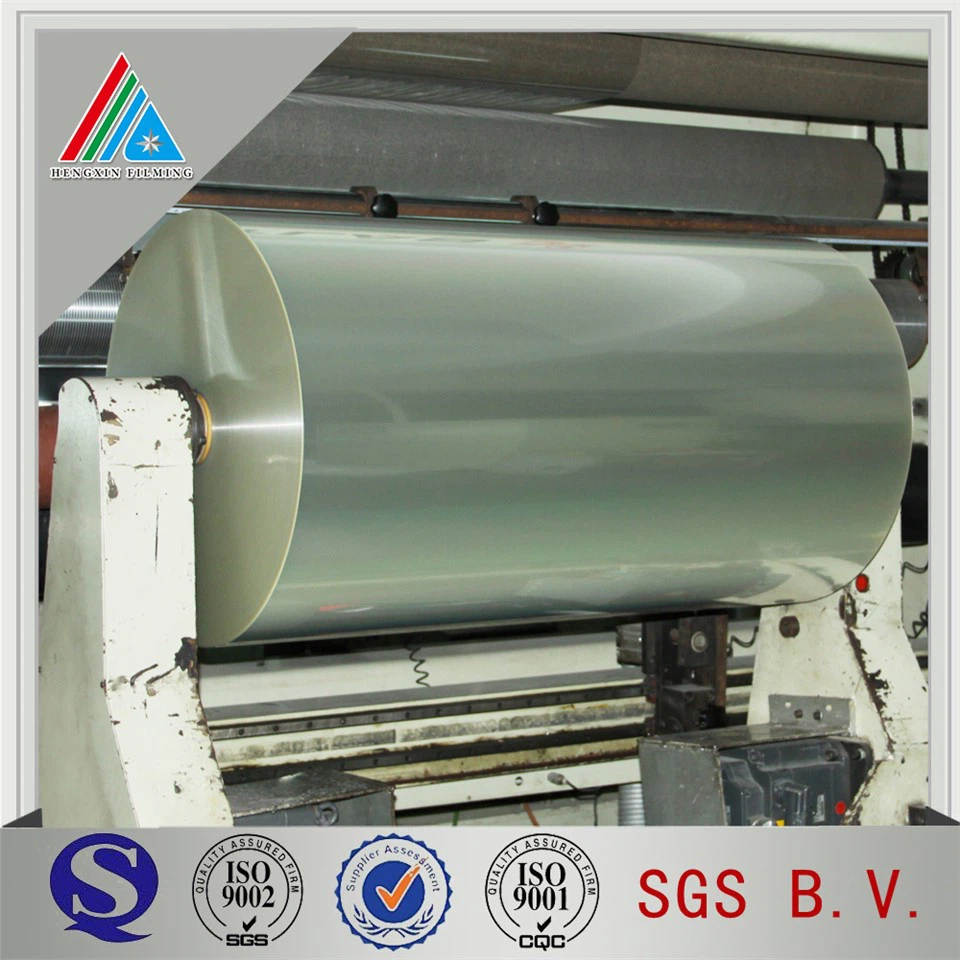
●High transparency and luster, good heat seal strength.
●Low temperature heat sealing on both sides.
●Heat sealing temperature below 110 degrees.
●Double-sided heat sealable BOPP film is suitable for printing and lamination processing.

CPP film has the characteristics of good transparency, high gloss, good stiffness, good moisture resistance, excellent heat resistance, and easy heat sealing.

Cast polypropylene (CPP) film has excellent heat seal strength, good thermal stability, good puncture resistance, good transparency and good barrier properties. Due to its low density, the film type also has good yield economy. Some typical application areas of the film include hot filling and distillation applications, FFS machines, and high-speed applications of bakery products.
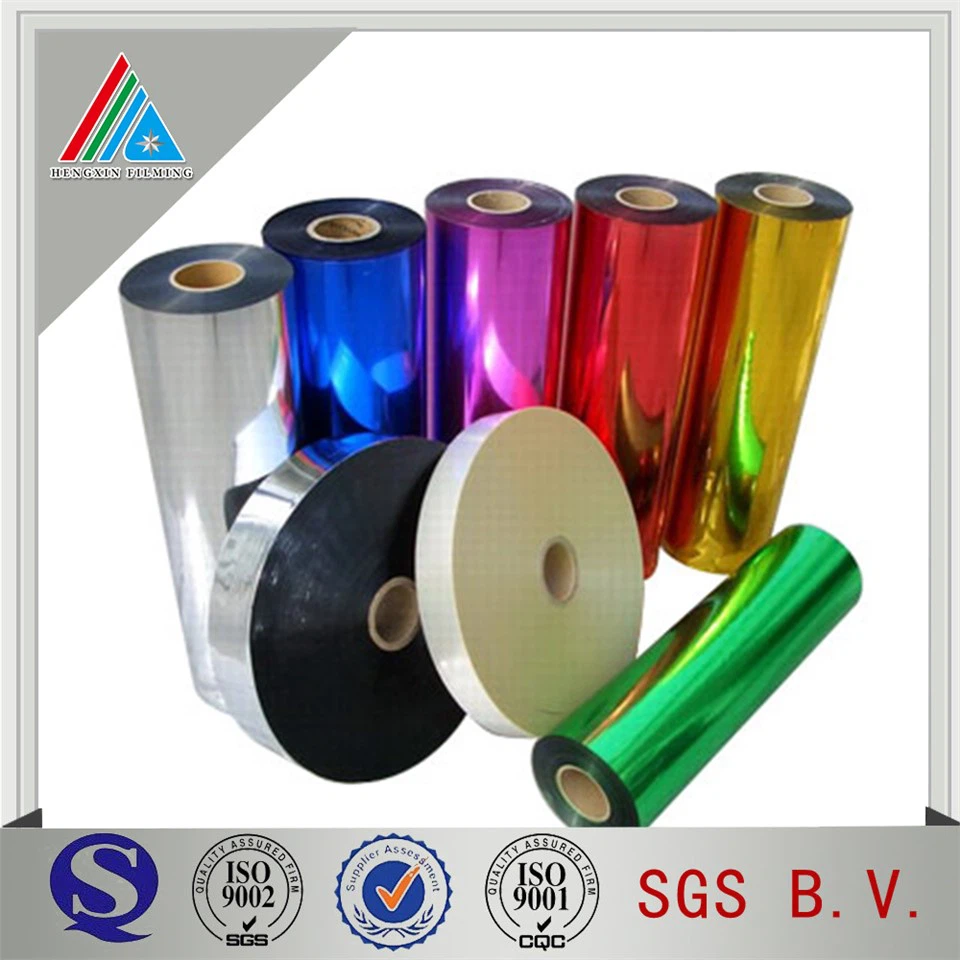
Food Packaging Metalized Opp Film
There are more than 100 different variations of polypropylene film, and it is one of the most widely used films in the world. A common application of polypropylene is as oriented polypropylene (OPP). This film has excellent moisture resistance, which makes it very suitable for the use of ordinary inks that produce very clear printing results. It is today's leading flexible packaging film, second only to low-density polyethylene in volume.
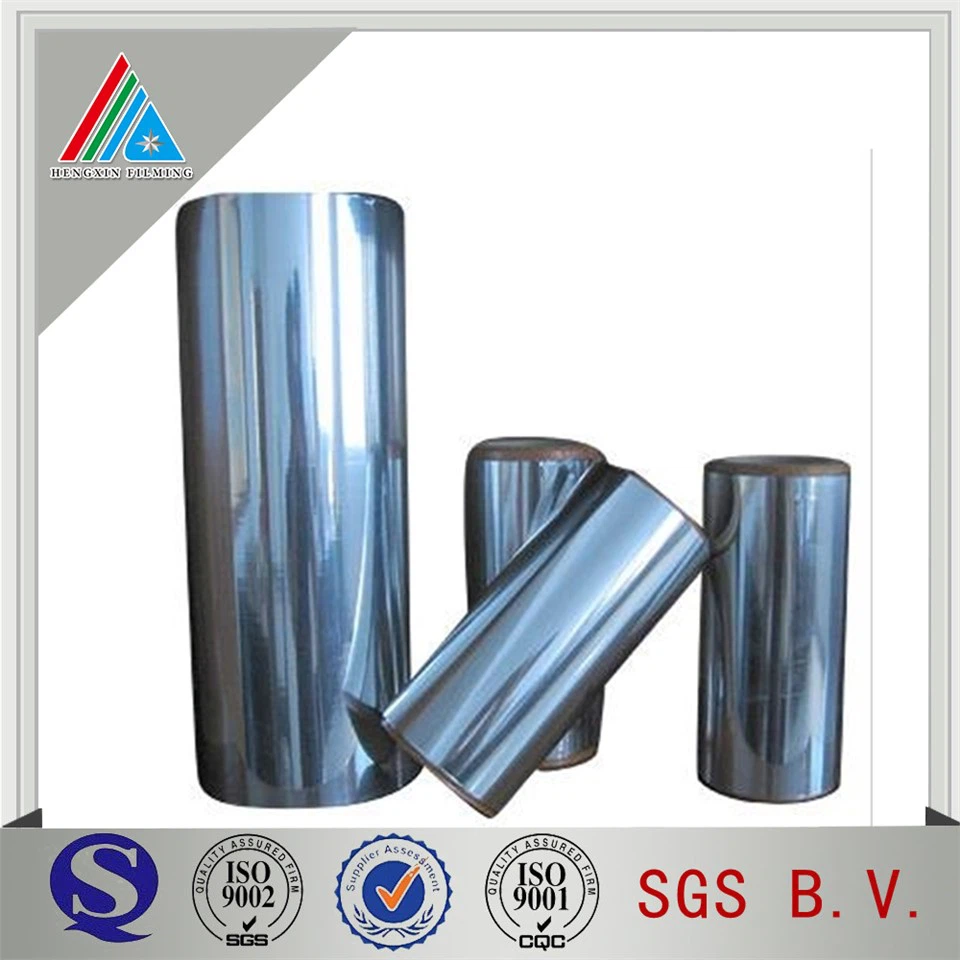
Food Grade Opp Plastic Film Rolls
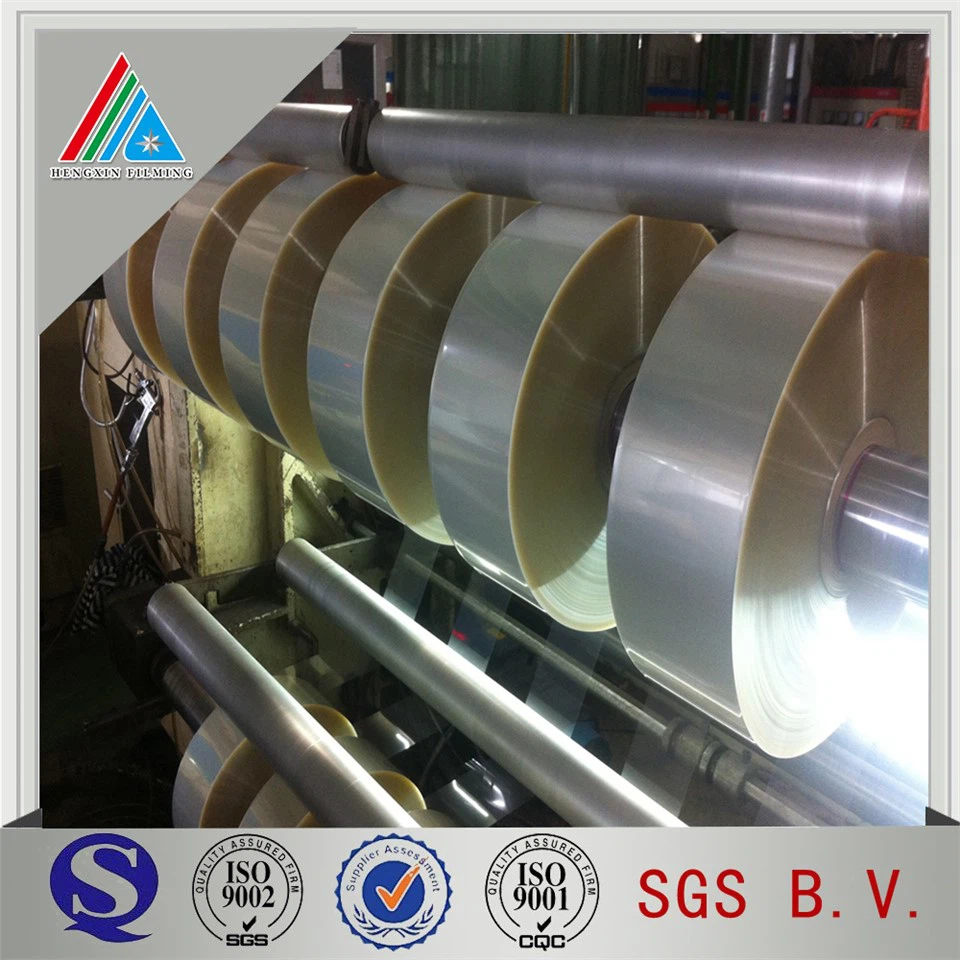
Heat sealing OPP is an extended application of BOPP material. It can be sealed and bonded and heated at a certain temperature. After surface treatment, it can be used for printing. It has good stiffness, rigidity and moisture resistance, and the raw materials are food-grade raw materials. Therefore, it is widely used in various food packaging and daily necessities packaging.
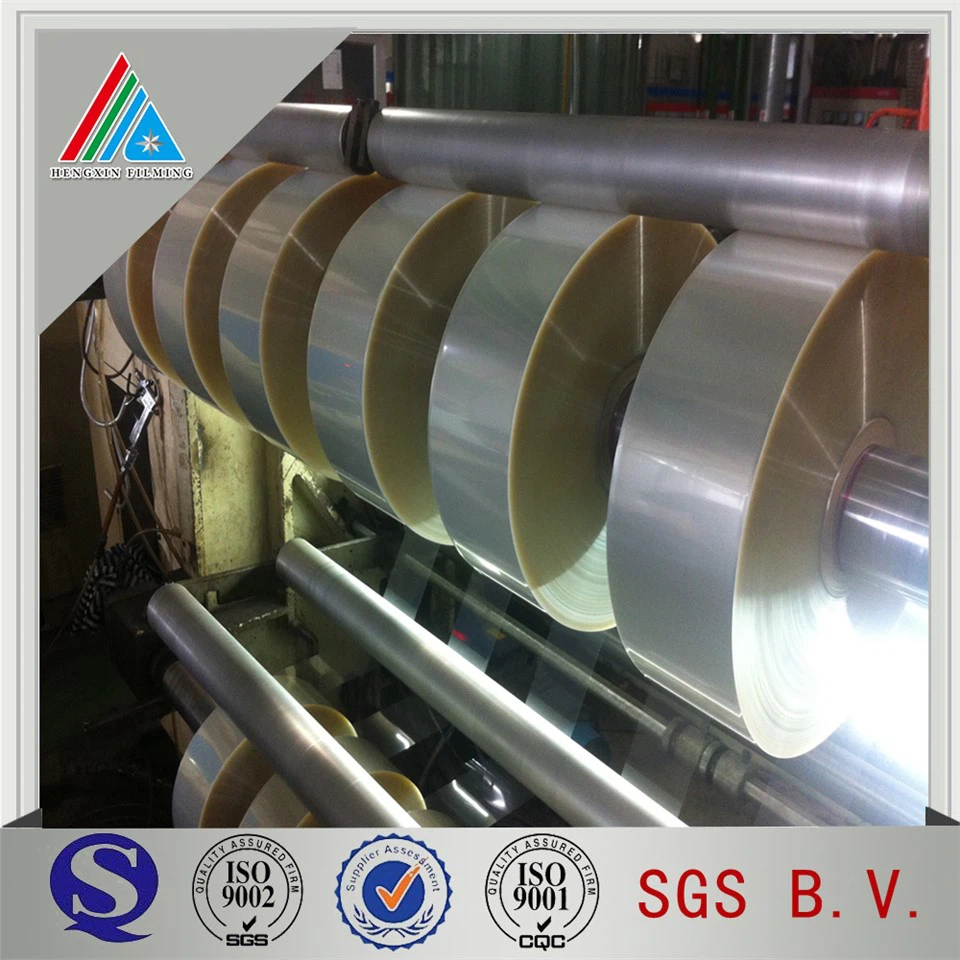
BOPP films (Biaxially Oriented PolyPropylene Films) are produced by stretching polypropylene film in both machine direction and transverse direction. BOPP film is used in vast range of applications comprising packaging, labeling and lamination.

Double-Sided Heat Sealable BOPP Film
Shelf life extension: Among all other commonly used plastic films, BOPP films provides excellent moisture barrier & its metallised variant provides better oxygen barrier to product. Both these properties of BOPP films play a key role in food packaging to extend the shelf life of products & thus reduce food waste.

VMCPP Film For Flexible Packaging
Metallized PET Film for Cardboard Lamination Product Performance: 1. high brightness 2. strong adhesion of aluminum layer 3. high barrier of moisture and oxygen Specification: Data Sheet: Application: cardboard lamination Production Process: 1. transparent film 2. metalized film 3. rewinding and...
Benefits of OPP Film
Strength and Stiffness
OPP film is known for its superior mechanical properties, including high tensile strength and stiffness. This makes it a reliable choice for packaging items that require structural integrity.
Printability
Due to its excellent surface finish, OPP film is receptive to printing, allowing for vibrant and detailed graphics that enhance product visibility on store shelves.
Barrier Properties
OPP film can be enhanced with coatings or laminations to improve its barrier properties, making it suitable for products that require protection from moisture, gases, and light.
Versatility
OPP film is versatile and can be used for packaging a wide range of products, including snacks, baked goods, stationery, and more.
OPP film is one of the most widely used films in the world. A common application for polypropylene is as oriented polypropylene (OPP). This film has excellent moisture proof properties which makes this great for using normal inks which produces a very clear printing result. It is today a leading flexible packaging film second only to low density polyethylene in volume.
A thermoplastic polymer used in a variety of applications ranging from packaging, to carpets. The primary application of OPP film is in food packaging due to is good strength, high clarity, adequate barrier properties and relatively low cost compared to cellophane. It is in almost every part of your daily life. Polypropylene is very resistance to fatigue. So a plastic type hinge can be opened and closed over a 1000 times with no fatigue.
Most flip-top packaging has this. The melting process of polypropylene is achieved via extrusion and molding. The common shaping technique used is injection molding. Other techniques are blow molding and injection stretch blow molding. By having the ability to tailor certain grades with specific molecular properties during manufacturing makes for a large number of end-use applications. An example of this would be the use of an antistatic additive to help the polypropylene surface resist dirt and dust.
What Is the Difference Between CPP Film and OPP Film, And BOPP Films?
CPP Film: Casting film that is not stretched, the formula for which can be individually changed to produce a variety of functional PP films, including anti-fog, anti-static, anti-puncture, and fog mask films.
OPP Film: A transversely stretched, BOPP-like PP film used in tapes, labels, packaging, and other items.
Biaxially oriented polypropylene (BOPP) film: Is used to package items like food, clothing, cigarettes, and other daily essentials in bags with good gas barrier qualities. Longitudinal stretch PP film with high unidirectional tensile strength known as MOPP film is utilized in tire linings, strapping tapes, and item labels.
What Is the Melting Point of OPP Film?
OPP film composite bag has good transparency, better heat resistance and better barrier performance than CPP film. It is widely used in the outer layer of the composite bag and compounded with aluminum foil with good heat sealing, which greatly improves the rigidity, straightness and physical and mechanical properties of the composite film.
The heat resistance is good, the melting point is as high as 164-170 degrees Celsius, and the product does not deform when heated to 150 degrees Celsius without external pressure, which is an excellent property that many thermoplastics do not have.
What Is the Thickness of OPP Film?
| Thickness | Available Configurations (Film Thickness Mils/Adhesive Thickness Mils) | Available Finishes |
| Light (LIT) | 1.3 mils | Gloss, Matte |
| Standard (STD) | 1.5 mils (.5/1) | Gloss, Matte, Diamond Hard Velvet Matte |
| 3 mil | 5/2.5 | Gloss |
| 5 mil | 1/4 | Gloss |
Polypropylene is recyclable. OPP film can be separated from other plastic types, melted into a liquid, cooled, and turned into pellets, then used to form new plastics. However, polypropylene loses its strength and flexibility as it goes through the recycling process. It may be mixed with new PP to improve the quality of recycled products.
You should check if your local authority recycles such plastic types before placing any polypropylene products in your domestic recycling bin. Businesses can arrange commercial collections of plastic waste and specify polypropylene to ensure it's separated and recycled properly to avoid it ending up in landfill.
How OPP Film is Made?

This material is produced by melting high molecular weight polypropylene into a thin sheet through a narrow machine head. The material proceeds through a dedicated stretching machine simultaneously at a specific temperature and predefined speed.
The film can stretch in two vertical directions while being subjected to appropriate cooling or heat treatment. OPP film is tasteless and harmless with high impact strength. The OPP film has different properties due to the different processing methods.
The flat film method produces OPP film bags with a higher tensile ratio than the tubular film method. The shaping technique of extrusion and molding commonly used in injection molding is also used in the melting process of OPP. Sometimes, an antistatic additive is included to help the polypropylene surface resist dirt and dust.
How to Choose the Best OPP Films for You?
The packaging industry is large and expanding rapidly. OPP films are popular for packing items across various industries. There are many types of OPP films existing in the market. It is important to choose the right OPP film as per the requirements of your product.
Make sure it meets the green requirements in force
There are many regulations that OPP films must comply with. One is that it must be environmentally friendly and not leave a large carbon footprint. If the OPP films do not comply with existing environmental standards there may be a significant penalty imposed or the films may be banned from use in the market altogether.
Know your product in and out
You need to know everything about your product as an expert would. This would help pinpoint the suitable OPP films for your product. For instance, physical and chemical characteristics. Don't use a OPP film that reacts chemically with the product. If the product is breakable a sturdy OPP film should be used.
Cost
The OPP film used may be the best in the industry. But you have to ask yourself whether you can afford it. Do you still make profits on the item? Are there cheaper and equally effective alternatives available.
Suitable for transport and storage
The OPP film may be attractive and not react with the product. But it should not get damaged through the process of transportation. It should be robust enough to survive falls or handled roughly in the conventional storage conditions.
Attractive
The looks of the packaging matter a lot. The OPP film has to be attractive to catch the customers attention. Also, most of us would like to see the product. So, the OPP film has to be transparent enough so that prospective customers get a good look at the content of the package. This way they can be sure about the quality and present state of the product.
Printability
Important details like manufacturing date, expiry date, name of the manufacturer, quality standards followed, ingredient list have to be printed on the OPP film. Ensure you use a OPP film that offers high ease of printability. Additionally, the fine print should not deteriorate with time or react with the elements of nature such as sunlight, moisture and others.
Our Factory
Hangzhou Hengxin (Jingxin) Film Packaging Co., Ltd. was established in 1996. After decades of growth, Hangzhou Hengxin (Jingxin) Film Packaging Co., Ltd. has developed into a well-known vacuum coating enterprise at home and abroad. Induction vacuum coating is the industry leader. Its products sell well at home and abroad, such as the United States, Canada, Mexico, Brazil, France, Germany, Spain, Turkey, etc. Russia, Pakistan, Malaysia, Iran, Indonesia, Vietnam, Thailand, Philippines, Japan, South Korea and South Africa.

Ultimate FAQ Guide to OPP Film
Hot Tags: opp film, China, suppliers, factory, customized, wholesale, buy, bulk, cheap, quotation, in stock, low price, OPP Film, CPP Film, Food Packaging Metalized Opp Film, BOPP Film, Polypropylene Film, Food Grade Opp Plastic Film Rolls


