


Hangzhou Hengxin Filming Packaging Co., Ltd. is one of the most reliable manufacturers and suppliers of cpp film in China, also supports customized service. Welcome to wholesale bulk cpp film at low price from our factory. Contact us for quotation.
Why Choose Us?
Quality Guaranteed
The company strives for the market with quality and has advanced technicians in the field of deep cultivation. Through skill improvement and achievement transformation, the company continuously provides high value-added products to customers to meet their special needs.
Quality Products
The company mainly produces PET, CPP, OPP, PA, PE, PVC, chemical pretreatment film and non-woven aluminized products, as well as color coating film, shower film, rainbow film, laser film, PVDC coating film, twist film, plastic flexible packaging composite film.
Wide Range of Applications
Our products are widely used in medicine, food, building materials, electronic components composite packaging and gold and silver wire, Pearl pieces, onion powder, decoration, Christmas gifts and other industries.
Complete Qualifications
It invests a large amount of money in new product development and technological upgrading every year to meet the needs of customers in various directions, and realizes core technologies such as a number of patents for technological inventions and practical new patents.
CPP films are transparent cast polypropylene films designed to offer high performance, great appearance and easy converting for flexible packaging and other applications. CPP films are also produced from a combination of various grades of PP polymer. Various constructions of CPP are available (multi layer options) which are used to cater to several applications in general packaging, as a sealant layer in conjunction with other plastic substrates for packaging of food products, twist wrap usage in candies, etc.

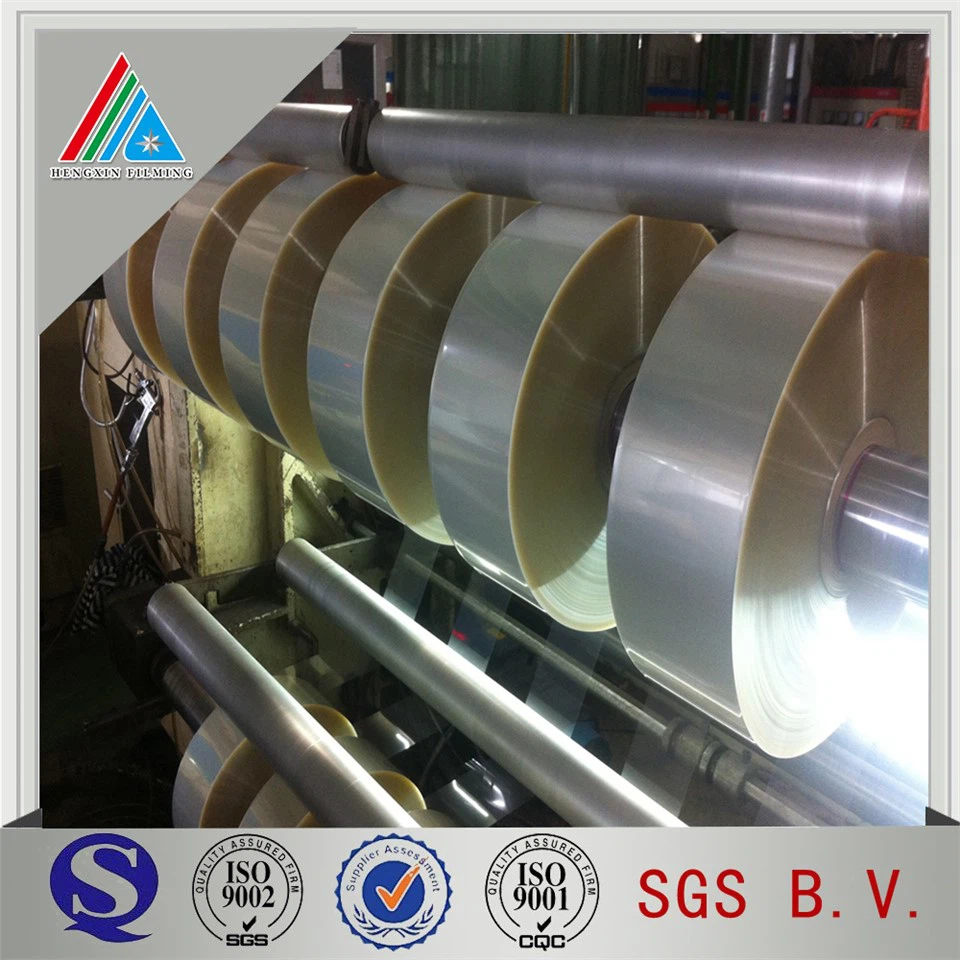
●High transparency and luster, good heat seal strength.
●Low temperature heat sealing on both sides.
●Heat sealing temperature below 110 degrees.
●Double-sided heat sealable BOPP film is suitable for printing and lamination processing.

CPP film has the characteristics of good transparency, high gloss, good stiffness, good moisture resistance, excellent heat resistance, and easy heat sealing.

Cast polypropylene (CPP) film has excellent heat seal strength, good thermal stability, good puncture resistance, good transparency and good barrier properties. Due to its low density, the film type also has good yield economy. Some typical application areas of the film include hot filling and distillation applications, FFS machines, and high-speed applications of bakery products.
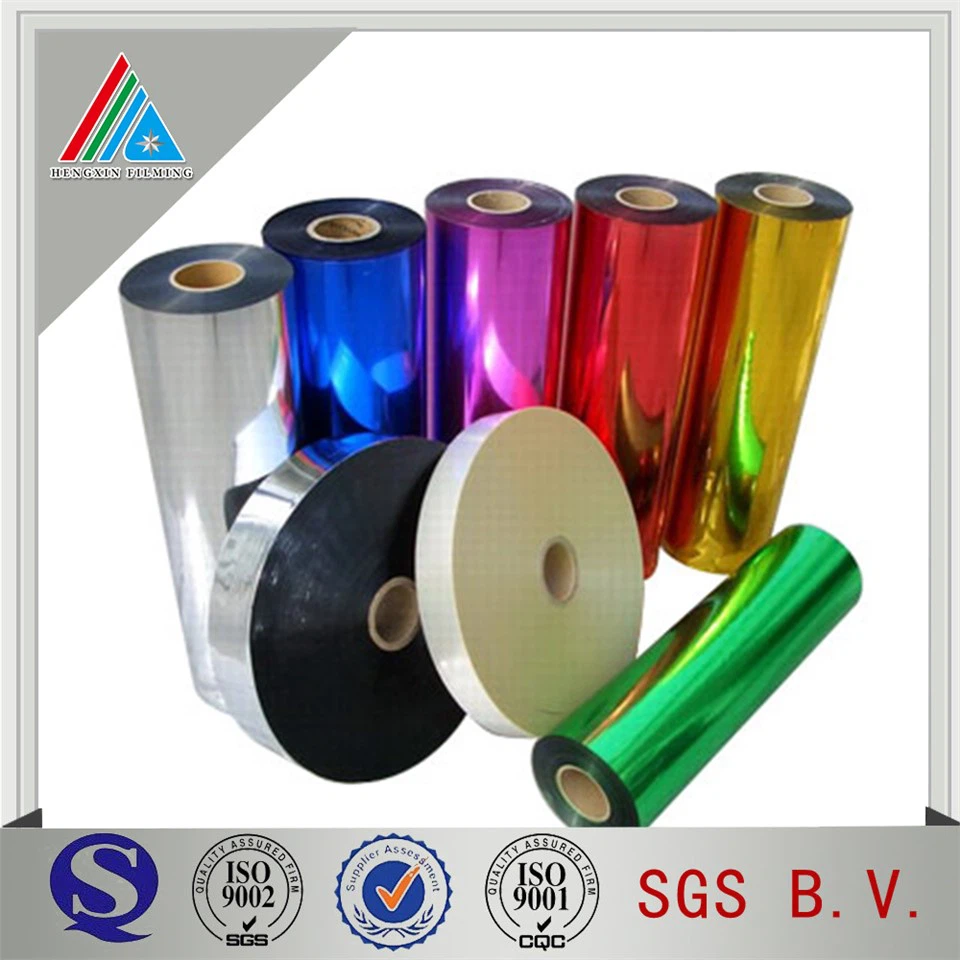
Food Packaging Metalized Opp Film
There are more than 100 different variations of polypropylene film, and it is one of the most widely used films in the world. A common application of polypropylene is as oriented polypropylene (OPP). This film has excellent moisture resistance, which makes it very suitable for the use of ordinary inks that produce very clear printing results. It is today's leading flexible packaging film, second only to low-density polyethylene in volume.
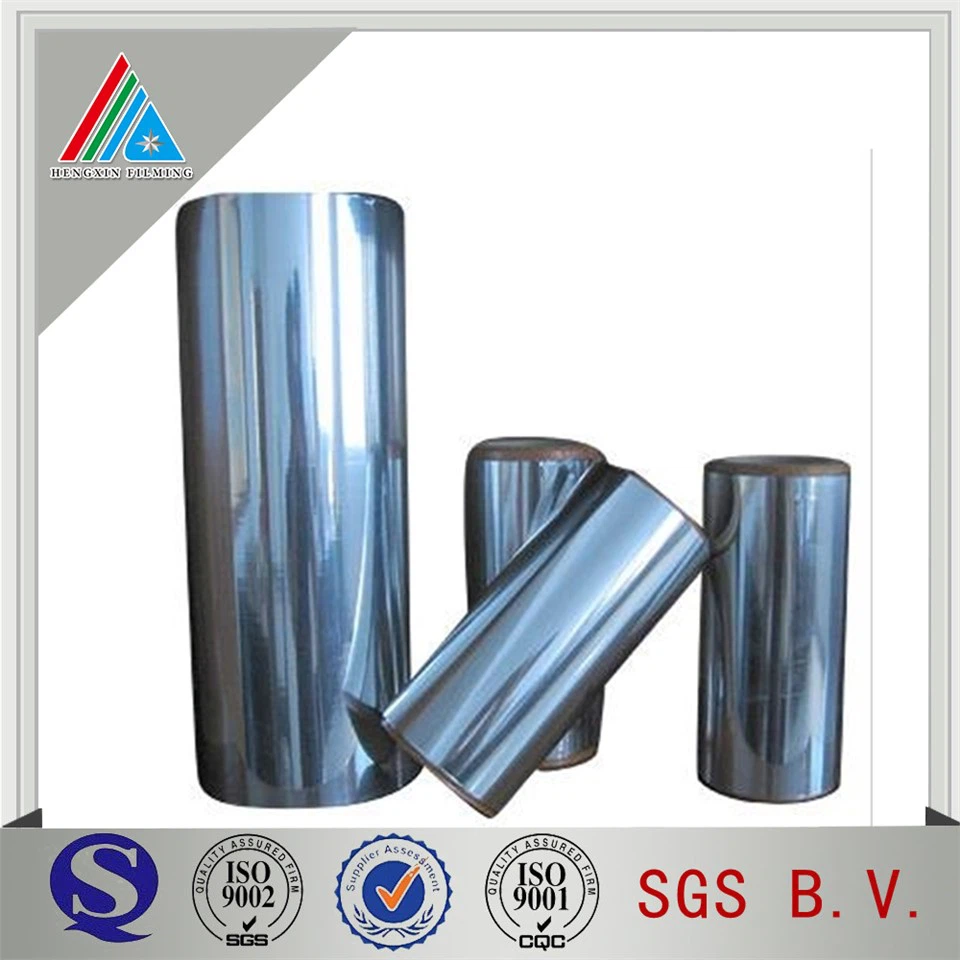
Food Grade Opp Plastic Film Rolls
Heat sealing OPP is an extended application of BOPP material. It can be sealed and bonded and heated at a certain temperature. After surface treatment, it can be used for printing. It has good stiffness, rigidity and moisture resistance, and the raw materials are food-grade raw materials. Therefore, it is widely used in various food packaging and daily necessities packaging.
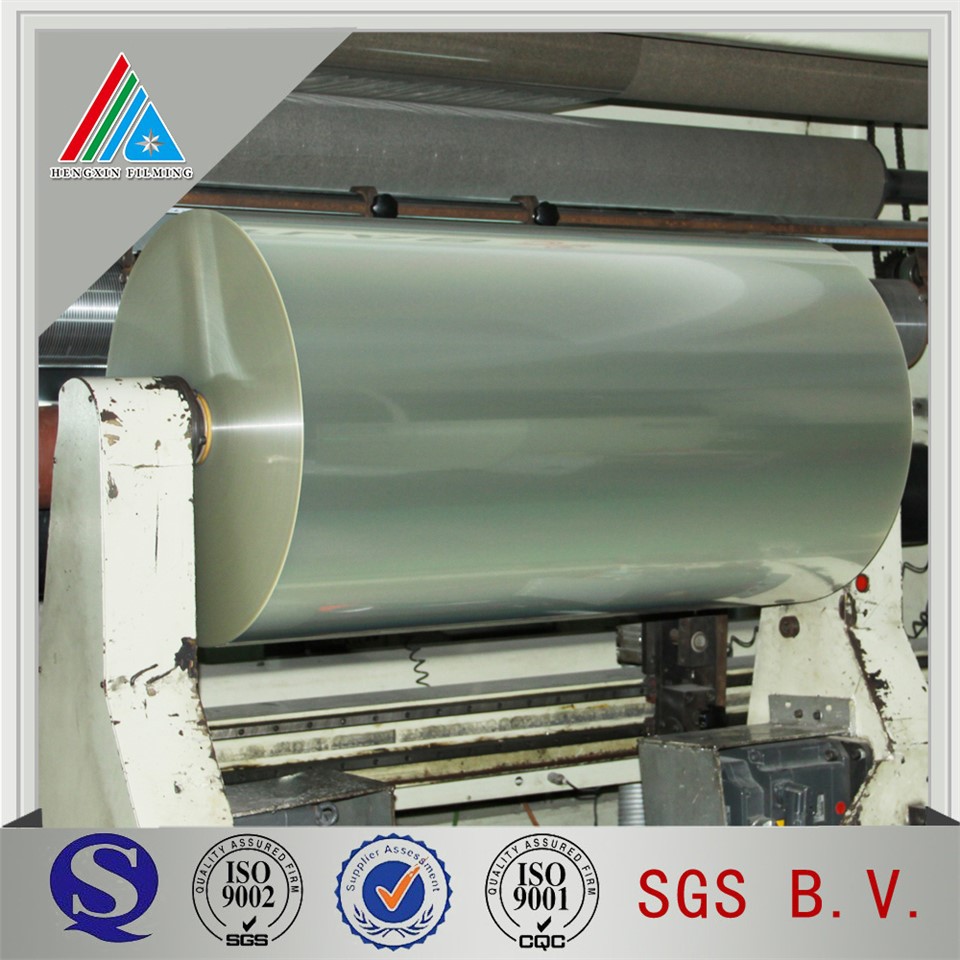
1. For food packing and sealing;
2. Printing and lamination;
3. Bag making;
4. Textbook covering;
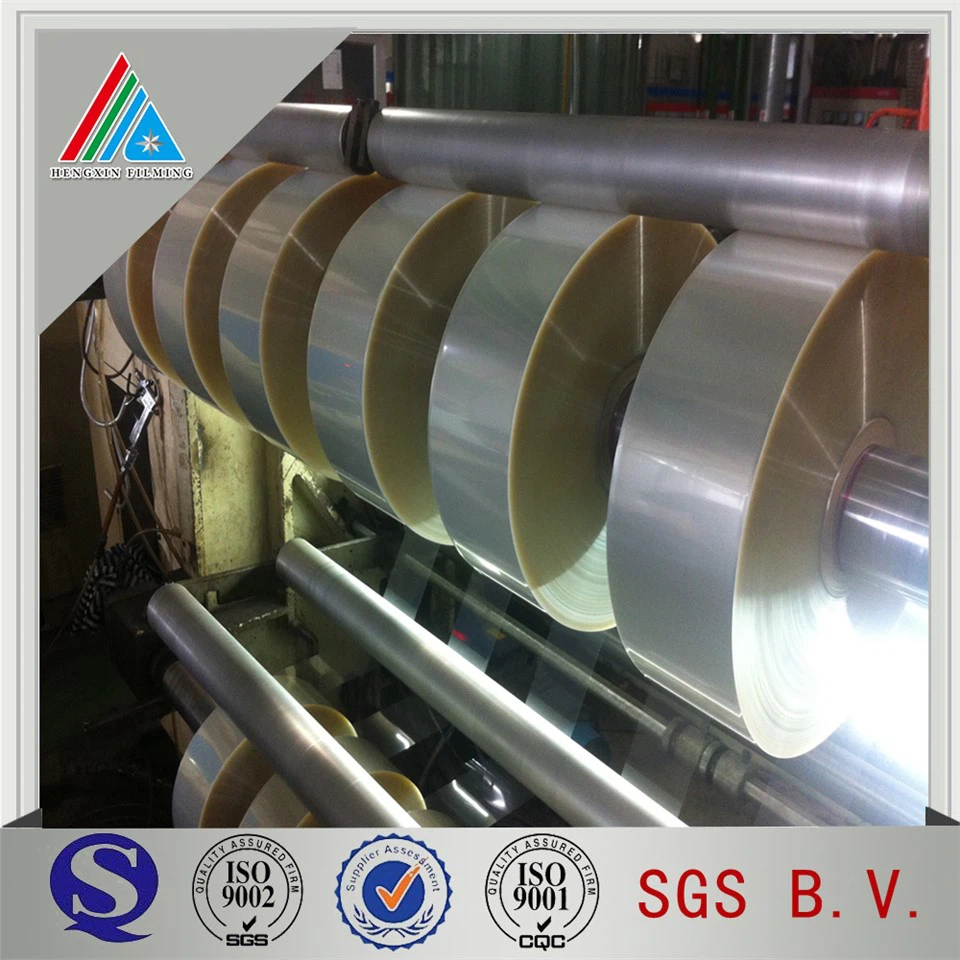
BOPP films (Biaxially Oriented PolyPropylene Films) are produced by stretching polypropylene film in both machine direction and transverse direction. BOPP film is used in vast range of applications comprising packaging, labeling and lamination.
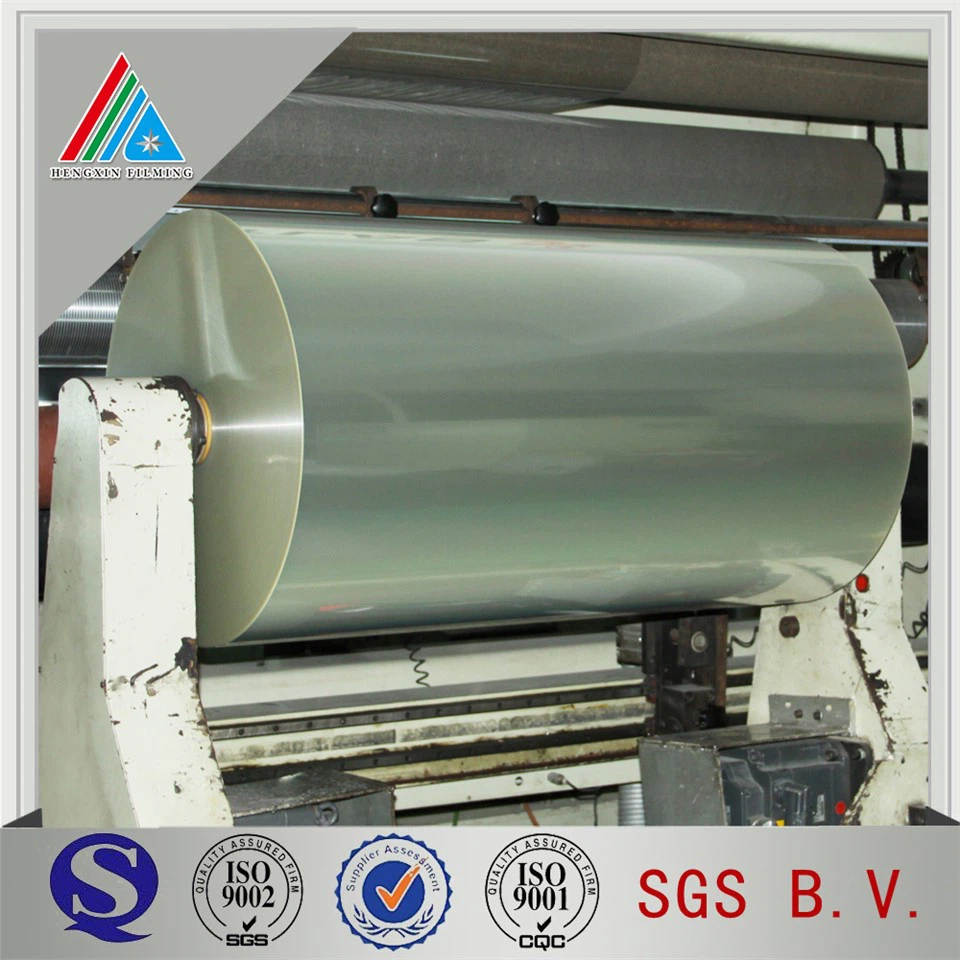
Double-Sided Heat Sealable BOPP Film
Shelf life extension: Among all other commonly used plastic films, BOPP films provides excellent moisture barrier & its metallised variant provides better oxygen barrier to product. Both these properties of BOPP films play a key role in food packaging to extend the shelf life of products & thus reduce food waste.
Benefits of CPP Film
CPP films are crafted through the cast extrusion process and offer an exceptional combination of properties that are ideal for diverse packaging applications. Here are some CPP Film Properties and advantages:
Exceptional Clarity and Gloss
The CPP films offer exceptional clarity and unmatched transparency. This feature ensures a clear view of the packed product and draws the consumer's attention. Meanwhile, the CPP film's gloss finish enhances the visual impact and creates a premium look that elevates the product's perceived value.
Multi-channel logistics services
The film demonstrates chemical resistance and is suitable for packaging various products, like cosmetics. This property of CPP film ensures that the packaging material does not react with the product and maintains product purity and composition.
Excellent Moisture Barrier Properties
The film exhibits moisture barrier properties. It shields against moisture ingress and other environmental factors. This feature benefits products sensitive to moisture - hygroscopic items, electronic pieces, or pharmaceutical items.
Outstanding Strength and Durability
The CPP films resist tearing and puncturing and, thus, are strong and durable. These properties safeguard the products during handling, transportation, and storage, ensuring that customers receive them pristinely.
Versatility Across Applications
Transparent CPP film can be used for various packaging needs and is available in various thicknesses (catering to specific requirements of products) and sizes.
Heat Sealable
Our CPP film exhibits exceptional heat-sealing properties that enable secure package closure. This heat sealable film exhibits tamper-evident features, assuring consumers of the safety and integrity of the product.
Lightweight & Cost Effective
These films are lightweight. The CPP film efficient production process contributes to cost-effectiveness, making it a budget-friendly option for packaging manufacturers.
Excellent Machineability
CPP films possess excellent machinability. This allows them to run on high-speed packaging machinery. Our CPP film is perfect for high-volume packaging applications, where consistency and speed are essential.
Sustainable & Recyclable
CPP films are recyclable. This feature of our film aligns perfectly with the growing demand for eco-friendly packaging solutions and promotes a circular economy, too.
How Is CPP Film Different From BOPP Film And BOPA Film?

Both BOPP (biaxially oriented polypropylene) and CPP are polypropylene films, and there's no doubt that BOPP is more popular than CPP. However, the softness and flexibility of CPP films are the unique features that set them apart.
The heat sealing properties of CPP films are also better than BOPP films, which require special coatings for heat sealing. While BOPP and BOPA films demonstrate better barrier properties, CPP films exhibit higher impact and tear resistance, better heat-sealing properties, and improved performance at cold temperatures.
What's more, cast propylene films have high transparency and can easily be printed, making them perfect for use in food packaging. From a commercial standpoint, CPP films are relatively inexpensive and have a higher yield per unit area.
CPP Film - Versatility in Packaging
CPP stands for Cast Polypropylene, a type of plastic film that is produced using a cast extrusion process. CPP films are made from polypropylene resin, which is a thermoplastic polymer known for its excellent clarity, heat resistance, and moisture barrier properties. CPP films are used extensively in flexible packaging applications due to their unique combination of characteristics.
One of the standout features of CPP films is their versatility. These films can be customized to suit various packaging needs, making them suitable for a wide range of products. CPP films are used in packaging applications for food, pharmaceuticals, electronics, and more.
Food Packaging: CPP films are commonly used for packaging snacks, candies, frozen foods, and more. Their excellent moisture barrier properties help maintain the freshness of the contents, ensuring a longer shelf life. Additionally, CPP films provide good puncture resistance, preventing the packaging from tearing and compromising the product's quality.
Pharmaceutical Packaging: Pharmaceuticals require packaging that can protect them from moisture, oxygen, and other external factors. CPP films are ideal for blister packaging and sachets due to their excellent barrier properties. They also offer excellent printability, allowing for product information and branding to be easily displayed.
Personal Care Products: CPP films are used in packaging personal care products such as facial masks, wet wipes, and sanitary napkins. Their flexibility and ability to retain moisture make them suitable for these applications.
Industrial Packaging: In industrial settings, CPP films are used for packaging a variety of products, including powders, chemicals, and automotive components. Their heat-sealing properties make them a reliable choice for sealing bags and pouches.
Is CPP Film Recyclable?
CPP film is fully recyclable in all forms and does not emit any toxic or harmful byproducts when reprocessed. However, it is frequently not recycled, which is a major concern given the volume produced and used. During the production of CPP films, some trim waste is generated.
CPP film producers have been led to believe that the default end of life for CPP film is general waste. Therefore, the producers will throw the trim waste away, only a little of the producers are recycling their own factory waste. However, defects and trim waste of CPP film could be recycled and provide businesses with a rebate.
How to Make a CPP Film?
Cast polypropylene (CPP) film, including its production process, properties, applications, and development trends in China. CPP film has good transparency, stiffness, heat resistance, and is easy to seal, making it suitable for food and other packaging.
The CPP production process uses a T-die method to extrude molten resin into a thin film on cooling rollers. Key factors are maintaining uniform temperature and thickness during extrusion and appropriate cooling. CPP film is used for food packaging, bags, containers, and composite films. Its main markets are composite films and food packaging. Future development directions include composite films and barrier coatings.
CPP Film Applications in Laminating
The versatility of CPP films extends to a wide range of laminating applications, catering to the unique needs and requirements of various industries. In the packaging sector, CPP laminating films are widely used for flexible packaging applications such as pouches, bags, wrappers, and sachets. Their excellent sealability, barrier properties, and printability make them an indispensable choice for packaging perishable goods, snacks, confectionery, pharmaceuticals, and more.
Furthermore, CPP laminating films find applications in label lamination, where they enhance the appearance, durability, and weather resistance of labels used in branding, product identification, and information dissemination. Additionally, CPP films are utilized in document lamination to protect important documents, certificates, IDs, and licenses from wear, tear, and environmental damage, ensuring their longevity and legibility.
CPP film, wherein a matting PP layer and a CPP base material layer are integrally polymerized to form the CPP film, 5-10 mg of an antistatic masterbatch is added to per cubic meter of the CPP base material layer, per cubic meter of the matting PP layer is coated with 2-5 mg of a polymer emulsion, and per cubic meter of the matting PP layer is further coated with 6-8 mg of a toughening agent.
The production process comprises:
1, Preparing a micro-emulsion;
2, Coating the CPP base material layer by using an antistatic masterbatch, and heating;
3, Coating the matting PP layer by using a toughening agent, and heating;
4, Carrying out corona treatment;
5, Coating the matting PP layer by using the micro-emulsion, and heating;
6, Rapidly cooling on a cold casting roller;
7, Winding; And 8, packaging.

Our Factory
Hangzhou Hengxin (Jingxin) Film Packaging Co., Ltd. was established in 1996. After decades of growth, Hangzhou Hengxin (Jingxin) Film Packaging Co., Ltd. has developed into a well-known vacuum coating enterprise at home and abroad. Induction vacuum coating is the industry leader. Its products sell well at home and abroad, such as the United States, Canada, Mexico, Brazil, France, Germany, Spain, Turkey, etc. Russia, Pakistan, Malaysia, Iran, Indonesia, Vietnam, Thailand, Philippines, Japan, South Korea and South Africa.

Ultimate FAQ Guide to CPP Film
Hot Tags: cpp film, China, suppliers, factory, customized, wholesale, buy, bulk, cheap, quotation, in stock, low price, CPP Metallized Film, OPP Film, Bopp Thermal Lamination Film, Food Packaging Metalized Opp Film, CPP Film Laminated Film, CPP Film


