


As a leading laminating film supplier, I'm often asked about the differences between self - adhesive and heat - activated laminating films. These two types of laminating films are widely used in various industries, and understanding their distinctions is crucial for making the right choice for your specific needs.
Self - Adhesive Laminating Film
Self - adhesive laminating films come with a pre - applied adhesive layer on one side. This adhesive is designed to stick to the surface of the material being laminated without the need for any additional heat or special equipment. One of the most significant advantages of self - adhesive laminating films is their ease of use. You can simply peel off the backing paper and apply the film to your document or object. This makes it a popular choice for small - scale projects, home use, or quick laminating jobs.
For example, in an office setting, a self - adhesive laminating film can be used to protect important documents, such as certificates, ID cards, or brochures. It's also great for DIY projects, like laminating photos or creating custom labels. The process is straightforward and doesn't require any technical skills.
Another advantage of self - adhesive laminating films is that they are suitable for a wide range of materials. They can adhere well to paper, cardboard, plastic, and even some fabric surfaces. However, there are also some limitations. The adhesive strength of self - adhesive films may weaken over time, especially if exposed to high temperatures, humidity, or direct sunlight. This can lead to the film peeling off or bubbling, reducing the quality and longevity of the lamination.
In terms of our product offerings, we have a variety of self - adhesive laminating films to meet different customer requirements. For instance, our Pin Hole Free Yarn Grade Color Coated Metallized PET Film is a high - quality self - adhesive option. It provides excellent protection and a visually appealing finish, making it suitable for applications in the textile and packaging industries.
Heat - Activated Laminating Film
Heat - activated laminating films, on the other hand, require the application of heat to activate the adhesive. This is typically done using a laminating machine, which applies both heat and pressure to bond the film to the substrate. The heat causes the adhesive to melt and flow, creating a strong and durable bond.
One of the main advantages of heat - activated laminating films is their superior adhesion and durability. The bond created by heat activation is much stronger and more resistant to environmental factors compared to self - adhesive films. This makes them ideal for long - term applications, such as outdoor signage, product packaging that will be exposed to harsh conditions, or high - traffic documents.
Heat - activated laminating films also offer better clarity and a more professional finish. The heat - bonding process ensures that there are no air bubbles or wrinkles in the lamination, resulting in a smooth and uniform appearance. However, the use of heat - activated laminating films requires specialized equipment, which can be expensive to purchase and maintain. This makes it less suitable for small - scale or occasional users.

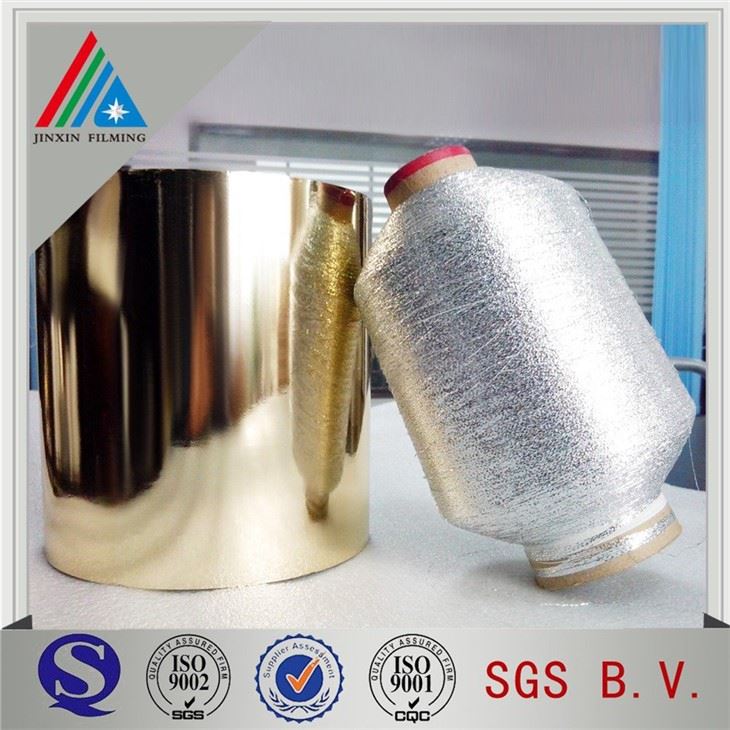
We offer a range of heat - activated laminating films, including our Chemical Treated 12 Micron Metallized PET Film. This film is treated with special chemicals to enhance its performance and adhesion, making it a great choice for demanding applications.
Key Differences in Performance
Adhesion Strength
As mentioned earlier, heat - activated laminating films generally have stronger adhesion than self - adhesive films. The heat - activation process creates a molecular bond between the film and the substrate, which is much more resistant to peeling and separation. Self - adhesive films rely on a physical bond, which can be more easily compromised by environmental factors.
Durability
In terms of durability, heat - activated laminating films are the clear winner. They can withstand higher temperatures, humidity, and mechanical stress without losing their adhesive properties. Self - adhesive films may start to degrade or peel off over time, especially in harsh conditions.
Application Process
The application process is a significant difference between the two types of films. Self - adhesive films are easy to apply by hand, making them suitable for quick and simple projects. Heat - activated films, however, require a laminating machine, which can add complexity and cost to the process.
Cost
The cost of the two types of films can vary depending on the quality and quantity. Generally, self - adhesive films are more cost - effective for small - scale projects, as they don't require the purchase of expensive equipment. Heat - activated films may have a higher upfront cost due to the need for a laminating machine, but they can be more economical in the long run for large - scale or high - volume applications.
Choosing the Right Film for Your Application
When choosing between self - adhesive and heat - activated laminating films, you need to consider several factors. First, think about the nature of your project. If it's a small - scale, short - term project, such as laminating a few photos or creating temporary signs, a self - adhesive film may be the best choice. It's quick, easy, and cost - effective.
For long - term applications, such as outdoor signage, product packaging, or important documents that need to withstand wear and tear, a heat - activated laminating film is recommended. The superior adhesion and durability of heat - activated films ensure that your laminated items will look good and remain protected for a long time.
Another factor to consider is the type of substrate you'll be laminating. Some materials may bond better with self - adhesive films, while others require the stronger bond provided by heat - activated films. Additionally, think about your budget and the availability of equipment. If you don't have access to a laminating machine and don't want to invest in one, a self - adhesive film is the obvious choice.
We also offer 28mic Rainbow Yarn Grade Metallized Pet Film, which can be used in both self - adhesive and heat - activated applications, depending on your specific needs.
Conclusion
In conclusion, self - adhesive and heat - activated laminating films have their own unique advantages and disadvantages. Self - adhesive films are easy to use and suitable for small - scale projects, while heat - activated films offer superior adhesion and durability for long - term applications. As a laminating film supplier, we understand the importance of providing our customers with high - quality products that meet their specific needs. Whether you're looking for a quick and simple solution or a more robust and long - lasting option, we have the right laminating film for you.
If you're interested in learning more about our laminating films or would like to discuss your specific requirements, we encourage you to contact us for a detailed consultation. Our team of experts is ready to assist you in choosing the perfect film for your application and provide you with the best possible service.
References
- "Laminating Film Technology: Principles and Applications" by John Smith
- "Advances in Adhesive and Laminating Materials" by Jane Doe
- Industry reports from the Laminating Film Manufacturers Association


