


As a supplier of CPP Metallized Film, ensuring the quality of our products is of utmost importance. High - quality CPP Metallized Film not only meets the requirements of our customers but also helps to build a good reputation in the market. In this blog, I will share some effective methods to test the quality of CPP Metallized Film.
1. Appearance Inspection
The first step in testing the quality of CPP Metallized Film is a visual inspection. A high - quality film should have a smooth and uniform surface. Any visible scratches, wrinkles, or unevenness can affect the performance of the film. When inspecting the film, pay attention to the following aspects:
- Color and Gloss: The color of the metallized layer should be consistent across the entire film. A uniform color indicates a proper metallization process. The gloss of the film should also be even, which reflects the quality of the surface treatment. If the gloss varies significantly, it may suggest problems in the manufacturing process.
- Surface Defects: Look for any pinholes, bubbles, or foreign particles on the film surface. Pinholes can cause issues in packaging applications, such as allowing air or moisture to penetrate. Bubbles may be a sign of improper lamination or air entrapment during the manufacturing process. Foreign particles can scratch the film or affect its adhesion properties.
2. Thickness Measurement
The thickness of CPP Metallized Film is a critical parameter that affects its mechanical and barrier properties. A consistent thickness ensures uniform performance. There are several methods to measure the thickness of the film:
- Micrometer: A micrometer is a simple and accurate tool for measuring the thickness of the film. Take multiple measurements at different points on the film to ensure accuracy. The measured thickness should be within the specified tolerance range. If the thickness varies too much, it can lead to inconsistent performance, such as differences in barrier properties or mechanical strength.
- Capacitance - based Thickness Gauges: These gauges work based on the principle of capacitance. They are non - contact and can provide continuous thickness measurement. This is especially useful for high - speed production lines, where real - time thickness monitoring is required.
3. Adhesion Test
The adhesion of the metallized layer to the CPP film is crucial for its performance. A strong adhesion ensures that the metallized layer does not peel off during handling, processing, or use. There are several ways to test the adhesion:
- Tape Test: Apply a piece of adhesive tape firmly to the metallized surface of the film. Then, quickly peel off the tape at a 180 - degree angle. If a large amount of the metallized layer comes off with the tape, it indicates poor adhesion. The tape test is a simple and quick method to assess the adhesion quality.
- Scratch Test: Use a sharp object, such as a needle, to gently scratch the metallized surface. Observe if the metallized layer is easily scratched or peeled off. A high - quality film should have good resistance to scratching, indicating strong adhesion between the metallized layer and the base film.
4. Barrier Property Testing
One of the main functions of CPP Metallized Film is to provide a barrier against oxygen, moisture, and light. Testing the barrier properties is essential to ensure the film can protect the packaged products effectively.
- Oxygen Transmission Rate (OTR) Test: This test measures the amount of oxygen that can pass through the film per unit area and time. A lower OTR indicates better oxygen barrier performance. The test is usually conducted using specialized equipment, such as an oxygen permeation analyzer.
- Water Vapor Transmission Rate (WVTR) Test: Similar to the OTR test, the WVTR test measures the amount of water vapor that can pass through the film. A low WVTR is important for products that are sensitive to moisture, such as food and electronics. The test can be carried out using a water vapor permeation analyzer.
- Light Transmission Test: Use a spectrophotometer to measure the amount of light that can pass through the film. A high - quality CPP Metallized Film should have low light transmission, especially in the ultraviolet and visible light ranges. This helps to protect the packaged products from light - induced degradation.
5. Mechanical Property Testing
The mechanical properties of CPP Metallized Film, such as tensile strength, elongation at break, and tear resistance, are important for its handling and performance in packaging applications.
- Tensile Strength Test: Use a tensile testing machine to measure the maximum force that the film can withstand before breaking. The tensile strength should be within the specified range to ensure that the film can withstand the stresses during handling and packaging.
- Elongation at Break Test: This test measures the percentage of elongation of the film before it breaks. A higher elongation at break indicates better flexibility and ductility of the film.
- Tear Resistance Test: The tear resistance of the film is measured by applying a force to tear the film. A high - quality film should have good tear resistance to prevent accidental tearing during use.
6. Chemical Resistance Testing
CPP Metallized Film may come into contact with various chemicals during its use, such as food additives, cleaning agents, or solvents. Testing the chemical resistance of the film is important to ensure its compatibility with these substances.
- Immersion Test: Immerse a sample of the film in a specific chemical solution for a certain period of time. Then, observe any changes in the appearance, such as discoloration, swelling, or delamination. A high - quality film should have good resistance to the chemicals it is likely to encounter.
- Chemical Spot Test: Apply a small amount of the chemical on the film surface and observe the reaction. This can provide a quick assessment of the film's chemical resistance.
Conclusion
Testing the quality of CPP Metallized Film is a comprehensive process that involves multiple aspects, including appearance, thickness, adhesion, barrier properties, mechanical properties, and chemical resistance. By conducting these tests, we can ensure that our products meet the high - quality standards required by our customers.

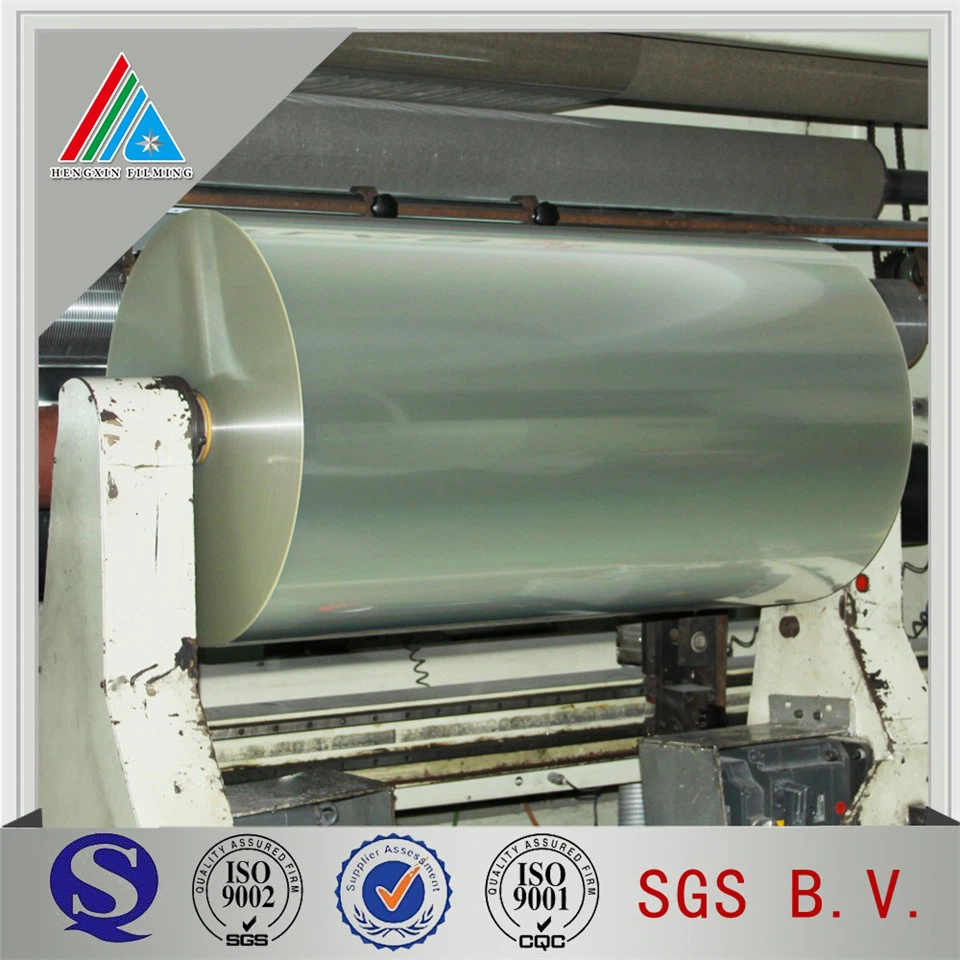
If you are interested in our CPP Metallized Film or other related products such as Bopp Thermal Lamination Film, OPP Film, and Food Packaging Metalized Opp Film, please feel free to contact us for more information and to discuss your procurement needs.
References
- ASTM International. Standard Test Methods for Physical Properties of Plastic Film and Sheeting.
- ISO standards related to plastic films, such as ISO 15106 for gas and vapor transmission rate testing.
- Technical literature from film manufacturing equipment suppliers.


