Hey there! As a supplier of BOPET Metallized Film, I often get asked about its chemical resistance. So, let's dive right into it and explore what makes this film stand up against various chemicals.
What is BOPET Metallized Film?
First off, BOPET stands for Biaxially Oriented Polyethylene Terephthalate. It's a type of polyester film that's been stretched in two directions during the manufacturing process. This biaxial orientation gives the film excellent mechanical properties, including high tensile strength and dimensional stability.
When we talk about metallized BOPET film, we're referring to a BOPET film that has a thin layer of metal, usually aluminum, deposited on its surface through a process called vacuum metallization. This metallization not only gives the film a shiny, reflective appearance but also enhances its barrier properties against moisture, oxygen, and light.
Chemical Resistance of BOPET Metallized Film
The chemical resistance of BOPET Metallized Film depends on several factors, including the type of chemicals it comes into contact with, the concentration of the chemicals, the temperature, and the duration of exposure.
Resistance to Organic Solvents
BOPET Metallized Film generally has good resistance to many organic solvents, such as alcohols, ketones, and esters. For example, it can withstand short - term exposure to ethanol, acetone, and ethyl acetate without significant damage. However, prolonged exposure to strong solvents like toluene or xylene may cause the film to swell or the metal layer to delaminate.
Resistance to Acids and Bases
In terms of acids and bases, BOPET Metallized Film shows different levels of resistance. It has fair resistance to weak acids and bases. For instance, it can tolerate dilute acetic acid or sodium bicarbonate solutions. But strong acids like sulfuric acid or strong bases like sodium hydroxide can attack the film, especially at high concentrations and elevated temperatures. The metal layer may corrode, and the film's integrity can be compromised.
Resistance to Water and Humidity
One of the great things about BOPET Metallized Film is its good resistance to water and humidity. The metal layer acts as a barrier, preventing water vapor from penetrating the film. This makes it suitable for applications where moisture protection is crucial, such as food packaging. However, if the film is exposed to high humidity for a long time, there's a risk of corrosion of the metal layer, which can affect its appearance and performance.


Factors Affecting Chemical Resistance
There are a few factors that can influence the chemical resistance of BOPET Metallized Film:
Film Thickness
Thicker films generally have better chemical resistance than thinner ones. A thicker film provides more material to withstand the chemical attack, and the metal layer is less likely to be penetrated.
Metal Layer Quality
The quality of the metal layer also plays a significant role. A well - deposited, uniform metal layer will offer better protection against chemicals compared to a poorly adhered or patchy metal layer.
Surface Treatment
Some BOPET Metallized Films are surface - treated to improve their adhesion, printability, or chemical resistance. These treatments can create a protective layer on the film surface, enhancing its ability to resist chemicals.
Applications and Chemical Resistance
The chemical resistance of BOPET Metallized Film makes it suitable for a wide range of applications:
Food Packaging
In the food industry, BOPET Metallized Film is widely used for packaging. Its resistance to water, oxygen, and light helps to keep food fresh and extends its shelf life. It can also withstand contact with various food ingredients, such as oils, acids, and salts, without leaching or reacting with them.
Electronics
In the electronics field, BOPET Metallized Film is used for shielding and insulation. Its chemical resistance ensures that it can withstand the chemicals used in the manufacturing process, such as cleaning solvents and fluxes.
Labeling and Decoration
For labeling and decoration purposes, BOPET Metallized Film's chemical resistance allows it to maintain its appearance and integrity when exposed to environmental factors and chemicals during handling and use.
Our Products and Chemical Resistance
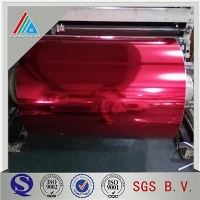
As a supplier, we offer a variety of BOPET Metallized Film products with different levels of chemical resistance to meet the diverse needs of our customers. For example, our Color Coated Metallized Polyester Film not only has good chemical resistance but also comes in a range of colors, making it suitable for decorative applications.
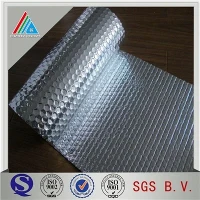
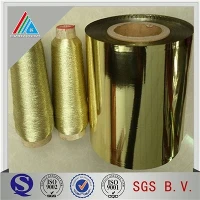
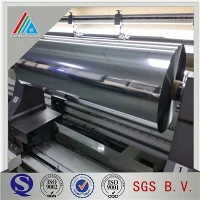
Our Metallized BOPET Film is designed to provide excellent barrier properties and chemical resistance for packaging and other industrial applications. And our Yarn Grade Rainbow Film For Metallic is ideal for textile and craft applications, with sufficient chemical resistance to withstand normal handling and use.
Contact Us for Your Needs
If you're looking for high - quality BOPET Metallized Film with the right chemical resistance for your specific application, we're here to help. Whether you need a film for food packaging, electronics, or any other industry, we can provide you with the best solutions. Don't hesitate to get in touch with us to discuss your requirements and start a great partnership.
References
- "Handbook of Plastics, Elastomers, and Composites" by Charles A. Harper
- "Polymer Science and Technology" by Donald R. Paul and C. B. Bucknall