


Hey there! As a supplier of PET film, I've seen firsthand how important it is to protect this versatile material from UV radiation. PET film, or polyethylene terephthalate film, is used in a wide range of applications, from packaging to electronics, and UV rays can really take a toll on its quality over time. In this blog post, I'm going to share some tips on how to protect PET film from UV radiation, so you can keep your products looking great and performing well.
Understanding the Impact of UV Radiation on PET Film
Before we dive into the protection methods, let's take a quick look at why UV radiation is such a problem for PET film. UV rays can cause a number of issues, including:
- Discoloration: Over time, exposure to UV radiation can cause PET film to yellow or become discolored. This can be a major problem for applications where appearance is important, such as packaging or displays.
- Brittleness: UV rays can also break down the molecular structure of PET film, making it more brittle and prone to cracking or tearing. This can reduce the lifespan of the film and make it less effective in its intended application.
- Reduced mechanical properties: In addition to brittleness, UV radiation can also reduce the mechanical properties of PET film, such as its tensile strength and elongation. This can make the film less durable and more likely to fail under stress.
Choosing the Right PET Film
One of the first steps in protecting PET film from UV radiation is to choose the right type of film. There are several different types of PET film available, each with its own unique properties and characteristics. When selecting a PET film for an application where UV protection is important, look for a film that is specifically designed to resist UV radiation.
Some PET films are treated with UV stabilizers during the manufacturing process, which can help to protect the film from the damaging effects of UV rays. These films are often labeled as "UV-resistant" or "UV-stabilized." Additionally, some PET films are coated with a protective layer that can provide an extra barrier against UV radiation.
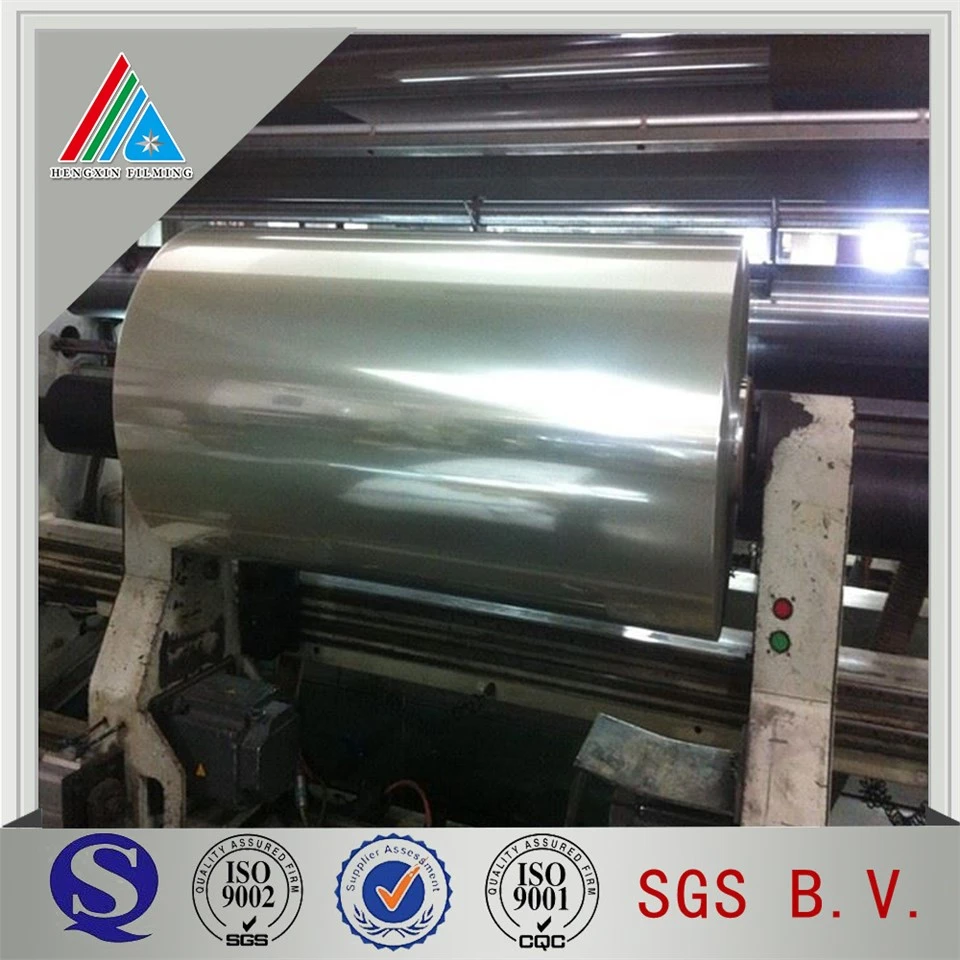

For example, our Transparent PET Film 150mic 175mic 188mic is a high-quality option that offers excellent UV resistance. This film is available in a range of thicknesses and is suitable for a variety of applications, including packaging, labeling, and lamination.
Using UV-Resistant Coatings
Another effective way to protect PET film from UV radiation is to apply a UV-resistant coating to the surface of the film. UV-resistant coatings can provide an additional layer of protection against UV rays, helping to prevent discoloration, brittleness, and other damage.
There are several different types of UV-resistant coatings available, including acrylic, polyurethane, and silicone-based coatings. These coatings can be applied to the PET film using a variety of methods, such as spraying, dipping, or rolling.
When choosing a UV-resistant coating, it's important to consider the specific requirements of your application. For example, if you're using the PET film in a high-temperature environment, you'll need a coating that can withstand the heat. Additionally, if you're using the film in a food packaging application, you'll need a coating that is food-safe and compliant with relevant regulations.
Storing PET Film Properly
Proper storage is also important for protecting PET film from UV radiation. When storing PET film, it's important to keep it away from direct sunlight and other sources of UV radiation. This can help to prevent the film from being exposed to excessive UV rays, which can cause damage over time.
In addition to avoiding direct sunlight, it's also important to store PET film in a cool, dry place. High temperatures and humidity can also have a negative impact on the quality of the film, so it's important to keep it in a controlled environment.
If you're storing PET film for an extended period of time, it's a good idea to wrap it in a protective material, such as a plastic bag or a protective sleeve. This can help to prevent the film from being exposed to dust, dirt, and other contaminants, which can also cause damage over time.
Using UV-Protective Packaging
Finally, using UV-protective packaging can also help to protect PET film from UV radiation. UV-protective packaging is designed to block or absorb UV rays, preventing them from reaching the PET film inside.
There are several different types of UV-protective packaging available, including opaque bags, boxes, and containers. These packaging materials are often made from materials that are specifically designed to block UV rays, such as aluminum foil, black plastic, or UV-resistant polymers.
When choosing UV-protective packaging, it's important to consider the specific requirements of your application. For example, if you're using the PET film in a food packaging application, you'll need a packaging material that is food-safe and compliant with relevant regulations. Additionally, if you're using the film in a high-temperature environment, you'll need a packaging material that can withstand the heat.
Conclusion
Protecting PET film from UV radiation is essential for maintaining its quality and performance over time. By choosing the right type of PET film, using UV-resistant coatings, storing the film properly, and using UV-protective packaging, you can help to ensure that your PET film products look great and perform well for years to come.
If you're interested in learning more about our PET film products or have any questions about protecting PET film from UV radiation, please don't hesitate to contact us. We're here to help you find the right solution for your specific needs.
References
- "UV Protection for Plastics," Plastics Technology, https://www.plasticstechnology.com/uv-protection-plastics
- "The Effects of UV Radiation on Plastics," Plastics News, https://www.plasticsnews.com/article/20190318/NEWS/190319883/the-effects-of-uv-radiation-on-plastics
- "UV Stabilizers for Plastics," Chemical Engineering, https://www.chemengonline.com/uv-stabilizers-for-plastics/


