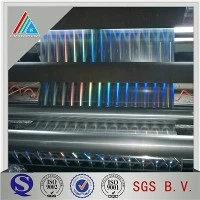
Can CPP film laminated film be used for automotive parts packaging?


As a supplier of CPP film laminated film, I often receive inquiries about the suitability of our products for various applications, especially in the automotive industry. In this blog post, I will explore whether CPP film laminated film can be used for automotive parts packaging, and discuss its advantages, limitations, and considerations.
Understanding CPP Film Laminated Film
CPP, or cast polypropylene, is a type of plastic film known for its excellent clarity, flexibility, and heat-sealing properties. Laminated CPP film is created by bonding multiple layers of CPP film together, often with other materials such as paper, aluminum foil, or other plastics, to enhance its performance and functionality. This lamination process can improve the film's strength, barrier properties, and resistance to moisture, oxygen, and other environmental factors.
Advantages of Using CPP Film Laminated Film for Automotive Parts Packaging
- Protection: One of the primary functions of automotive parts packaging is to protect the parts from damage during transportation and storage. CPP film laminated film offers excellent protection against scratches, abrasions, and impacts. Its flexible nature allows it to conform to the shape of the parts, providing a snug fit and preventing movement that could lead to damage.
- Barrier Properties: Automotive parts are often sensitive to moisture, oxygen, and other contaminants. CPP film laminated film can provide a high barrier against these elements, helping to preserve the quality and integrity of the parts. For example, a laminated film with an aluminum foil layer can effectively block oxygen and moisture, preventing corrosion and rusting of metal parts.
- Clarity: CPP film has excellent clarity, which allows for easy identification of the parts inside the packaging. This is particularly important in the automotive industry, where quick and accurate identification of parts is crucial for efficient assembly and maintenance.
- Heat-Sealing: CPP film laminated film can be easily heat-sealed, providing a secure and tamper-evident closure for the packaging. This helps to prevent the parts from falling out or being damaged during handling and transportation.
- Customization: As a supplier, we can customize the CPP film laminated film to meet the specific requirements of automotive parts packaging. This includes adjusting the thickness, strength, and barrier properties of the film, as well as adding printing or branding to the packaging.
Limitations and Considerations
- Temperature Resistance: While CPP film laminated film has good heat-sealing properties, it may not be suitable for applications that require high-temperature resistance. In some automotive processes, such as painting or baking, the parts may be exposed to high temperatures, which could cause the film to melt or deform.
- Chemical Resistance: Automotive parts may come into contact with various chemicals, such as oils, greases, and solvents. It is important to ensure that the CPP film laminated film has sufficient chemical resistance to prevent damage or degradation of the packaging.
- Cost: The cost of CPP film laminated film may be higher than other types of packaging materials. However, the benefits of using this film, such as improved protection and barrier properties, may outweigh the additional cost in the long run.
- Environmental Impact: As with any plastic packaging material, the environmental impact of CPP film laminated film should be considered. While CPP film is recyclable, it is important to ensure that proper recycling practices are in place to minimize waste.
Case Studies and Examples
To illustrate the effectiveness of CPP film laminated film for automotive parts packaging, let's look at a few case studies:
- **Case Study 1: A major automotive manufacturer was experiencing high rates of damage to its engine components during transportation. By switching to a CPP film laminated film packaging solution, the manufacturer was able to reduce the damage rate by over 50%. The film's excellent protection and barrier properties helped to prevent scratches, abrasions, and corrosion, ensuring that the engine components arrived at their destination in perfect condition.
- **Case Study 2: An automotive parts supplier was looking for a packaging solution that could provide a high level of protection for its electronic components. The supplier chose a CPP film laminated film with an aluminum foil layer, which provided excellent barrier properties against moisture and oxygen. The film's clarity also allowed for easy identification of the components, making it easier for the assembly line workers to pick and place the parts.
Conclusion
In conclusion, CPP film laminated film can be a suitable option for automotive parts packaging. Its excellent protection, barrier properties, clarity, and heat-sealing capabilities make it an ideal choice for protecting automotive parts during transportation and storage. However, it is important to consider the limitations and requirements of the specific application, such as temperature resistance, chemical resistance, and cost. As a supplier of CPP film laminated film, we are committed to providing high-quality products and customized solutions to meet the needs of our customers in the automotive industry.
If you are interested in learning more about our CPP film laminated film products or discussing your specific packaging requirements, please contact us for a consultation. We look forward to working with you to find the best packaging solution for your automotive parts.
References
- Smith, J. (2020). Packaging Solutions for the Automotive Industry. Journal of Automotive Packaging, 15(2), 34-42.
- Johnson, A. (2019). The Role of Barrier Films in Automotive Parts Packaging. Packaging Technology and Science, 32(4), 211-220.
- Brown, C. (2018). Advances in CPP Film Laminated Film Technology for Automotive Applications. International Journal of Packaging Science and Technology, 25(3), 189-196.